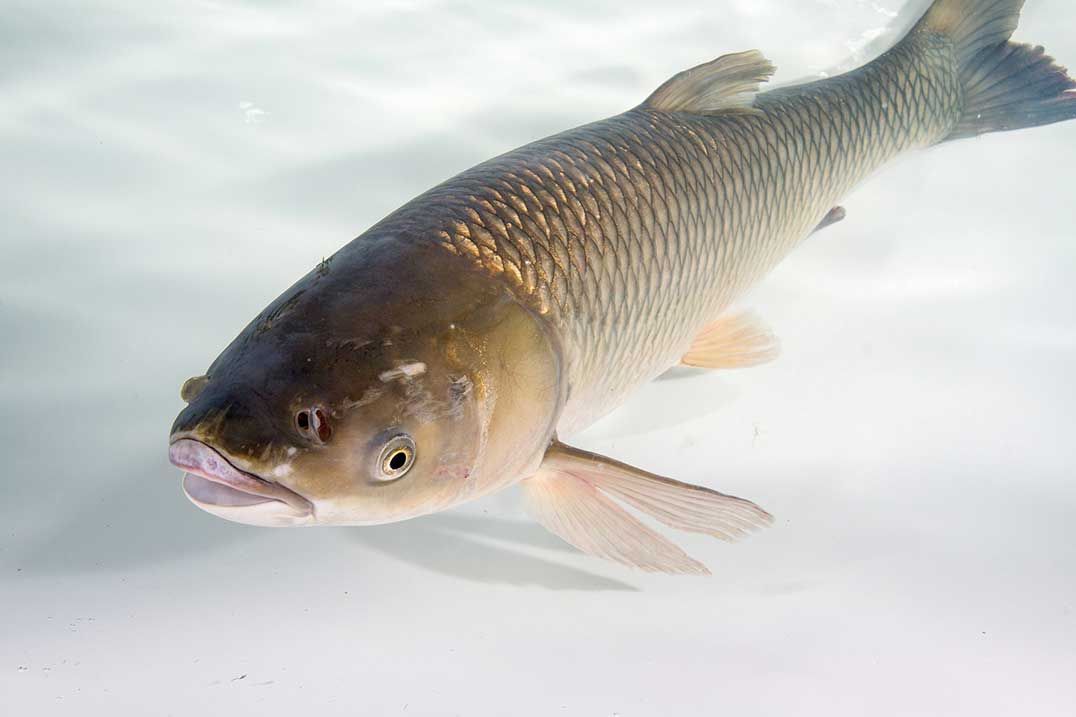
American researchers have been tagging and releasing both sterile (triploid) and fertile (diploid) grass carp to study them. A female diploid grass carp can contain thousands of eggs, and they are known to be reproducing in the Great Lakes basin. photo by Ryan Hagerty/USFWS
This post is for paying subscribers only
Subscribe now and have access to all our stories, enjoy exclusive content and stay up to date with constant updates.