Islanders take heed as Lyme disease-carrying ticks spread North
Manitoulin is a major deer tick and Lyme disease hotspot due to milder winters. Officials urge strict tick checks and DEET use, citing a counselor's near-paralyzing battle with the disease.
Green Bay farmer Bruce Wood suffered the effects of Lyme disease courtesy of a tick bite.
Green Bay farmer Bruce Wood suffered the effects of Lyme disease courtesy of a tick bite.
MANITOULIN鈥擲ummertime weather is finally upon us and the siren call of the outdoors beckons. But danger lurks hidden in the tall grass鈥攂loodsucking hitchhikers just waiting to hitch a ride on an unguarded calf or untreated pet. And to more than one Islander it鈥檚 no joke.
Manitoulin Island has been identified as one of the deer tick hotspots in Northeastern Ontario, and health officials are urging residents and visitors alike to take precautions as the Island鈥檚 forests, trails and shorelines are witnessing rising numbers of blacklegged ticks capable of transmitting Lyme disease.
The warning comes as tick populations across Ontario have surged to alarming new levels. Preliminary Public Health Ontario data puts the province鈥檚 Lyme disease case count at 3,614 for 2025鈥攖hat鈥檚 a whopping 19 percent increase over 2024, and roughly a 30-fold increase compared to the 119 cases recorded in Ontario in 2010. Nationally, the Public Health Agency of Canada recorded 5,809 Lyme disease cases in 2024 alone鈥攃onfirmed and probable combined鈥攗p from fewer than 1,000 across Canada a decade earlier.
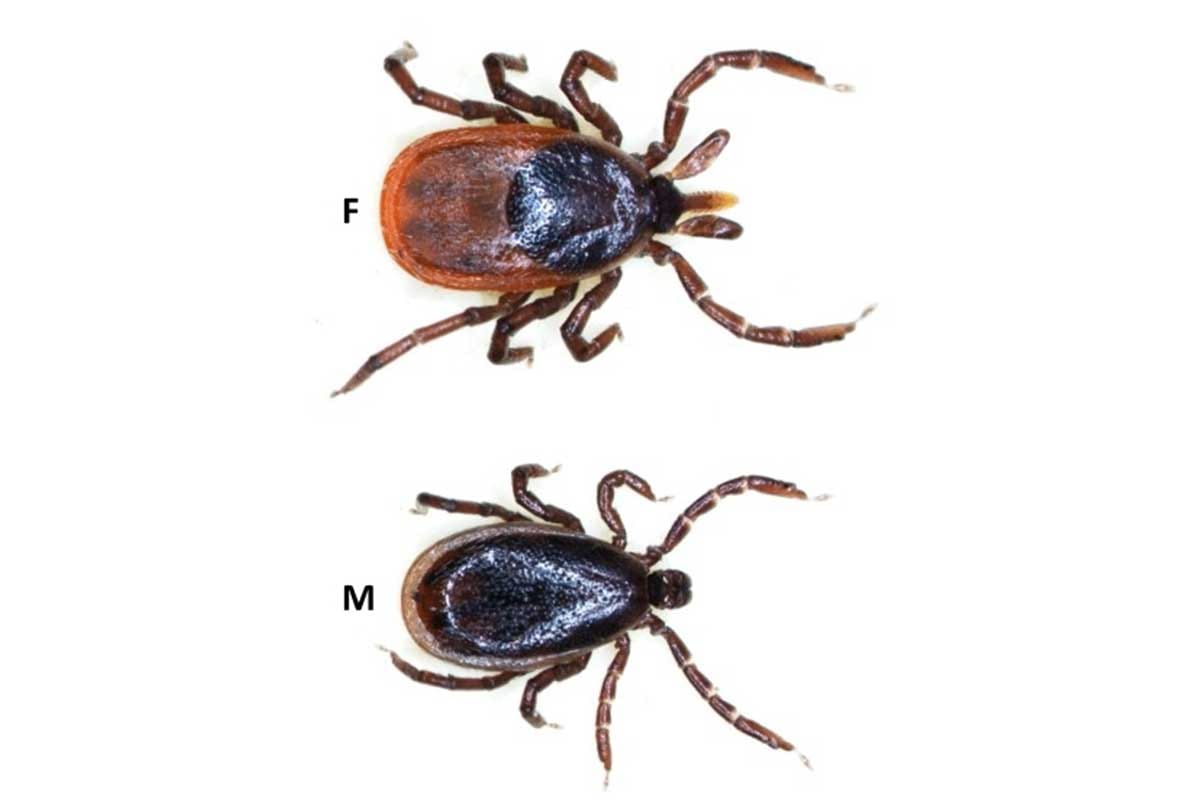
The black-legged tick, male and female.
This post is for paying subscribers only
Subscribe now and have access to all our stories, enjoy exclusive content and stay up to date with constant updates.